
Equitable emotional labour in relationships
What fairness actually looks like.

When we think about the division of labour in relationships, the focus is often on practical tasks: who does the dishes, cleans the bathroom, manages the groceries, or makes dinner. These tasks require time, organisation, and effort, and they are essential to the day-to-day functioning of shared life.
When people begin negotiating how a relationship will work, conversations often centre on these visible tasks. Yet beneath this practical layer sits a range of less visible forms of labour that are just as critical to relational wellbeing, and far more likely to be overlooked.
These include cognitive labour, such as planning, organising, tracking appointments, remembering deadlines, and managing finances. They also include emotional labour: the work of creating moments of intimacy, anticipating needs, monitoring emotional safety, initiating difficult conversations, expressing boundaries, repairing ruptures, and holding space for understanding.
While these forms of labour may be less tangible than household tasks, they play a profound role in shaping how safe, connected, and supported a relationship feels.
What is emotional labour in relationships?
Emotional labour can include:
Monitoring the emotional climate of the relationship
Anticipating a partner’s needs or distress
Initiating conversations about feelings or disconnection
Managing conflict, repair, and reconciliation
Holding relational memory (remembering what hurts, what matters, and what helps)
Expressing boundaries to protect safety and connection
Creating and maintaining intimacy
This labour often happens quietly and continuously. Because it does not produce a visible “outcome,” it is easy to miss, especially if it has always been carried by one person.
Why emotional labour often becomes invisible
Several factors can make emotional labour difficult to see or acknowledge:
Socialisation and gender norms that normalise emotional attunement as a feminine trait or social obligation
Neurodivergent differences in how emotions are processed, noticed, or expressed
Trauma histories, where one partner becomes hyper-attuned to safety while the other relies on avoidance
Power and role dynamics, where one person is positioned as the emotional organiser
Capacity differences related to stress, health, burnout, or mental load
None of these factors make someone uncaring or intentionally neglectful, but they do shape how labour is distributed unless it is consciously examined.
When labour becomes uneven
Tension in relationships often arises not because one person is unwilling to contribute, but because different forms of labour are unevenly distributed, unseen, or undervalued.
For equity to exist, both partners need to be able to:
Recognise the labour that is being done
Understand its emotional and relational value
Appreciate differences in skills, capacity, preference, and need
Reflect on how the relationship as a whole is being held together
When emotional or cognitive labour goes unnamed, the person carrying it may feel exhausted, resentful, or unseen, while the other partner may genuinely believe things are “fair” because practical tasks appear evenly shared.
Equity is not equality
When we talk about equity, we are not talking about everyone doing the same things or contributing in identical ways. That would be equality.
Equity involves recognising that different types of labour — practical, cognitive, and emotional — all contribute value, even when they look different. It means acknowledging that:
People bring different strengths, sensitivities, and capacities
Some forms of labour are more visible than others
Contribution cannot be measured solely by task completion
An equitable relationship is not one where labour is perfectly balanced at all times, but one where contributions are seen, named, and negotiated with respect.
Equity in neurodivergent relationships
In relationships where partners have different neurotypes (which is, in reality, most relationships), equity cannot be understood by simply counting tasks or expecting identical contributions.
For example, if one partner is autistic or has ADHD and experiences significant cognitive load around planning, transitions, or emotional processing, they may find it difficult to anticipate needs, initiate emotionally complex conversations, or manage relational repair in real time. At the same time, they may contribute deeply through consistency, loyalty, honesty, practical problem-solving, or steady presence. Forms of labour that are essential to relational safety, even if they are less emotionally expressive.
The other partner may have stronger emotional attunement and relational awareness. They may be the one who notices shifts in emotional tone, initiates conversations about connection, names boundaries, or holds awareness of sensory or overwhelm thresholds. This emotional and anticipatory labour requires effort, regulation, and ongoing attention, even when it appears to come “naturally.”
An equal model might expect both partners to contribute in the same ways. For example, both initiating emotional conversations or managing relational complexity. An equitable model recognises that this expectation may not be realistic or supportive.
Instead, equity asks:
What does each person have capacity for right now?
What types of labour cost each person the most?
How can responsibility be shared without requiring either partner to work against their neurology?
In an equitable neurodivergent relationship, labour is not judged by sameness. It is understood through impact, effort, and respect.
Moving toward greater equity
Creating more equitable emotional labour begins with understanding and naming what is already happening.
One way to start this conversation is to set aside intentional, gentle time together and map the forms of labour in your relationship. List the different types of labour — practical, cognitive, emotional, relational — and note who primarily carries responsibility for each. You might also rate the effort involved (for example: low, moderate, or high).
From there, consider exploring:
Which types of work feel effortful, invisible, or taken for granted?
Where do our strengths and limits differ, and how can we account for that?
What would feeling more supported actually look like, not just sound like?
Equity grows when partners are willing to stay curious, tolerate discomfort, and revise assumptions about what “contribution” means.
A closing thought
Emotional labour is not about keeping a relationship afloat alone. It is about creating shared awareness of what connection requires, and allowing responsibility for that work to be seen, shared, and renegotiated over time.
Sharing a life means capacities will change, challenges will arise, and balance will shift. What matters most is not achieving perfection, but having the safety and language to name labour, talk about it openly, and adjust together. Originally, this may have been the only way that we could cope with an unsafe environment.
For example, suppose we are scared of a caregiver’s behaviour or experienced isolation and neglect as children. In that case, we do not have the power or the means at this stage of development to understand or take action in response to this. So our clever and adaptive mind developed a way to cope with the heightened distress - to disconnect. The more severe and frequent this distress is, the more disconnected we might need to be in order to cope.
How can SHIPS support you?
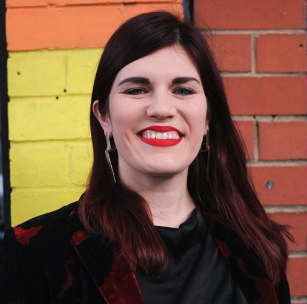
AUTHOR
Dr. Sarah Ashton, PhD
Director & Founder of Sexual Health and Intimacy Psychological Services (SHIPS)
Related self-help courses and resources:

Relationship Check-In Template
Online Resource

Mindful Touching Exercise and Reflection
Online Resource

Self-Guided Sensate Focus
Online Course
