
Endometriosis and sex: understanding pain, intimacy and sexual wellbeing
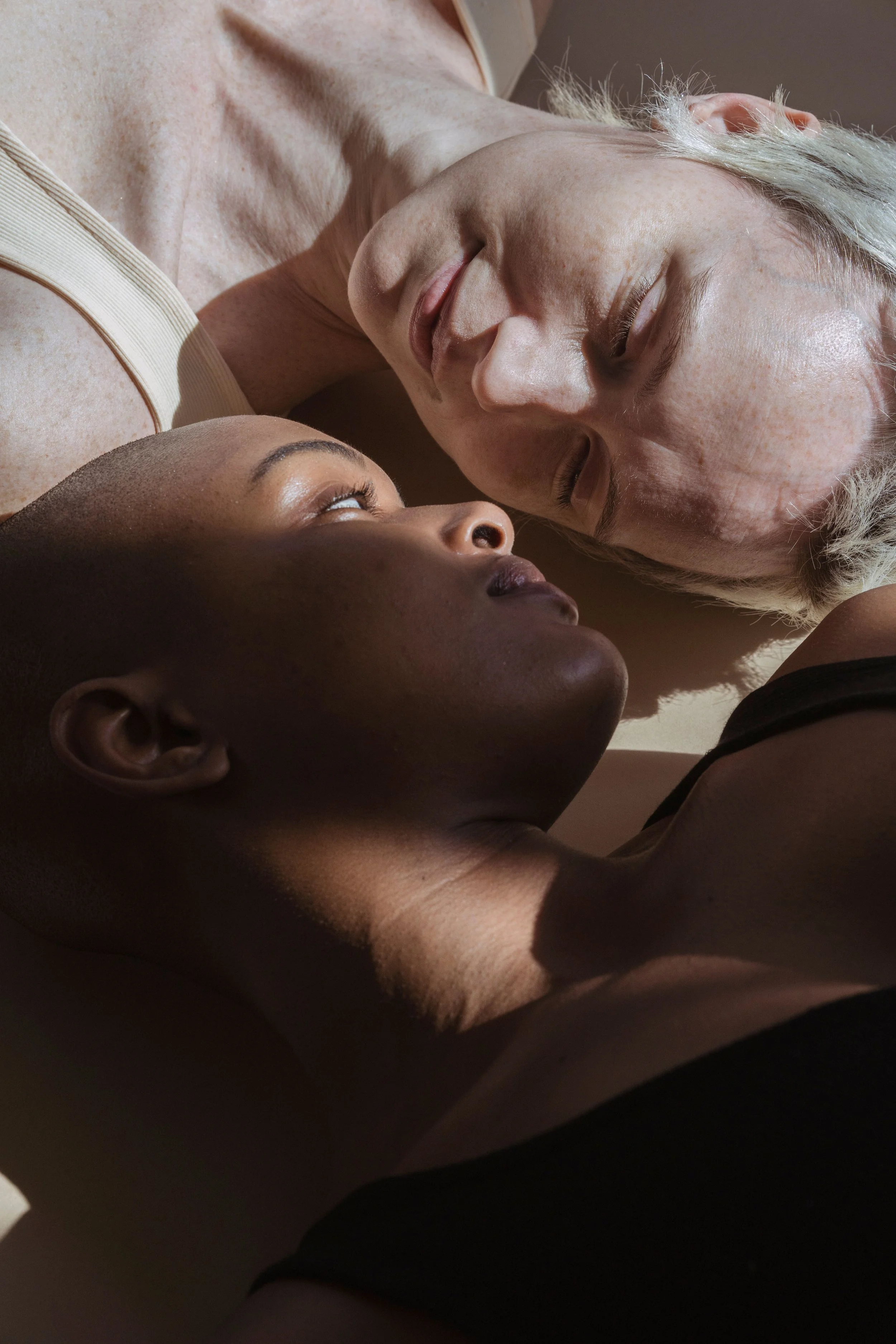
For many people living with endometriosis, sex can become complicated.
What was once a source of pleasure, connection or intimacy may become associated with pain, anxiety or avoidance. Some people begin to dread sexual intimacy altogether, while others feel guilty that they cannot enjoy sex in the way they once did. Partners may feel confused, helpless or worried about causing pain.
These experiences are incredibly common, but they are not often talked about.
Endometriosis affects around 1 in 7 people assigned female at birth in Australia by the age of 44, making it one of the most common chronic health conditions affecting reproductive-aged people. While many people are familiar with symptoms such as painful periods and pelvic pain, fewer realise that pain during or after sex (dyspareunia) is also a common symptom and can have a profound impact on relationships, mental health and quality of life.
Importantly, painful sex is not something you should simply "put up with." There are effective treatments and strategies that can help, and sexual wellbeing remains possible even when living with endometriosis.
Why can endometriosis make sex painful?
Endometriosis occurs when tissue similar to the lining of the uterus grows outside the uterus, leading to inflammation, scarring and irritation of surrounding organs.
Depending on where these lesions are located, penetrative sex may place pressure on inflamed tissues, ligaments or pelvic organs. Deep penetration is particularly likely to trigger discomfort for some people.
However, pain is rarely explained by endometriosis alone.
Persistent pain changes the nervous system over time. When pain continues for months or years, the nervous system can become increasingly sensitive, a process known as central sensitisation. This means the brain and spinal cord begin responding more strongly to sensations that may previously have been comfortable. The body isn't "imagining" the pain; the nervous system has become more protective.
Pain may also lead to involuntary tightening of the pelvic floor muscles. This protective muscle guarding can increase discomfort during penetration and create a cycle where anticipating pain leads to more muscle tension, which then contributes to further pain.
For many people, several factors occur together: inflammation from endometriosis, nervous system sensitisation, pelvic floor muscle tension and the understandable emotional impact of living with chronic pain.
Endometriosis doesn't just affect the body
Chronic pain rarely stays confined to one part of life. Research consistently shows that people living with endometriosis experience higher rates of anxiety, depression, stress and reduced quality of life than people without the condition. Living with unpredictable pain, delayed diagnosis, repeated medical appointments and the uncertainty of managing a chronic illness can be emotionally exhausting.
When pain occurs during sex, many people begin worrying before intimacy even starts.
You might notice thoughts such as:
"What if it hurts again?"
"I don't want to disappoint my partner."
"Maybe we should just avoid sex."
"Something is wrong with my body."
These thoughts are completely understandable.Unfortunately, anticipating pain increases vigilance within the nervous system. This heightened state of alert can make muscles tighten, reduce arousal and make pain more likely to occur, reinforcing the cycle. This does not mean the pain is "psychological." Rather, it highlights how closely the brain, body and nervous system work together in chronic pain.
How can endometriosis affect desire?
Many people assume that reduced sexual desire is an inevitable consequence of endometriosis.
In reality, desire often changes because sex has become associated with discomfort rather than pleasure.If your brain has learnt that intimacy frequently leads to pain, it makes sense that your motivation to engage in sexual activity may decrease. This is one of the ways our nervous system protects us.
Some people also notice changes in body image, fatigue, hormonal fluctuations, fertility concerns or reduced confidence that further affect sexual desire. Reduced desire is not a sign that you no longer love your partner or that your relationship is failing. It is often an understandable response to living with persistent pain.
The impact on relationships
Endometriosis affects relationships as much as individuals. Partners often want to help but don't know how. They may worry about initiating intimacy, fear causing pain or misinterpret avoidance as rejection.
Without open communication, both partners can begin making assumptions about what the other is thinking or feeling.Talking openly about pain, fears and changing needs can reduce misunderstandings and help couples work together rather than feeling like they are on opposite sides of the problem.
Remember that intimacy is much broader than penetration.Affection, kissing, massage, sensual touch, mutual pleasure, emotional closeness and shared experiences can all help maintain connection while navigating pain.
Does painful sex mean you should stop having sex?
Not necessarily. However, sex should never be something you feel you have to endure. Pain is information from your body, not something to ignore or push through.
Some people find it helpful to:
explore different sexual activities that don't involve penetration
experiment with positions that reduce deep penetration
use plenty of lubricant
communicate throughout sexual activity
choose times when symptoms are less severe
prioritise pleasure rather than performance.
The goal is not simply to "have intercourse again." The goal is to build a sexual relationship that feels safe, pleasurable and responsive to your body's needs.
Treatment is often multidisciplinary
Because endometriosis affects multiple body systems, treatment often works best when healthcare professionals collaborate.
Depending on your individual situation, support may include:
medical management from a GP or gynaecologist
pelvic floor physiotherapy
pain management
psychological therapy
sex therapy
exercise physiology
dietary support where appropriate.
Psychological therapy cannot remove endometriosis lesions, but it can help reduce the impact of persistent pain on the nervous system, improve coping, address anxiety and rebuild confidence and intimacy.
When should you seek support?
Consider speaking with a healthcare professional if:
sex is consistently painful
you avoid intimacy because of pain
pain is affecting your relationship
you feel anxious before sexual activity
your symptoms are impacting your quality of life.
Pain during sex is common in endometriosis, but it is not something you should have to simply accept.
Key takeaways
Pain during sex is common in people living with endometriosis, but it is not "normal" or something you should simply tolerate.
Pain is often influenced by multiple factors, including inflammation, pelvic floor muscle tension and changes in how the nervous system processes pain.
Endometriosis can affect desire, intimacy, relationships and mental health, not just physical comfort.
Avoiding pain is a protective response, not a personal failure.
Pleasure and intimacy are about much more than penetration. Expanding your definition of sex can reduce pressure and increase connection.
Effective support is available. A multidisciplinary approach, including medical care, pelvic floor physiotherapy and psychological support, often provides the best outcomes.
Final thoughts
Living with endometriosis can change the way you experience your body, your relationships and your sexuality. It can bring grief, frustration and uncertainty. But it does not mean that pleasure, intimacy or fulfilling relationships are no longer possible.
Our goal is not to help people "push through" pain.
Our goal is to help people understand their nervous system, reconnect with their bodies, communicate openly with their partners and create a sexual relationship that feels safe, meaningful and pleasurable.
Because everyone deserves to experience intimacy without fear, and to know that pain does not define their sexuality.

AUTHOR
Dr. Sarah Ashton, PhD
Director & Founder of Sexual Health and Intimacy Psychological Services (SHIPS)
Related self-help courses and resources:
Desire Differences Planner
Online resource

Mindful Touching Exercise and Reflection
Online resource
Self-Guided Sensate Focus
Online course
